A Comprehensive Step-by-Step Guide to Commercial AC Repair for Business Owners
Key Takeaways
- Importance of regular upkeep for air conditioning systems and its impact on business operations
- Necessary safety measures to consider prior to initiating repair work
- Methodical approach to identifying issues with air conditioning units
- Detailed procedure for executing repairs on air conditioning systems
- Indicators that suggest the need for expert assistance with repairs
- Recommended strategies for extending the lifespan of commercial air conditioning units
Step-by-Step Guide To Commercial AC Repair For Business Owners | Understanding the Importance of Regular AC Maintenance
Regular maintenance plays a crucial role in the longevity and efficiency of commercial AC systems. The Step-by-Step Guide to Commercial AC Repair for Business Owners emphasizes the significance of routine maintenance and its impact on preventing costly repairs down the line. By implementing a preventive maintenance schedule, businesses can ensure operational reliability while enhancing customer satisfaction. Routine checks not only help identify potential issues before they escalate but also contribute to customer retention, as a comfortable environment is vital for client experience. Investing in maintenance and repair ultimately safeguards the AC system, fostering consistent performance and reducing the likelihood of unexpected breakdowns.
- Regularly inspect and clean air filters to ensure optimal airflow.
- Schedule seasonal check-ups with professional HVAC technicians.
- Monitor and maintain refrigerant levels to prevent efficiency loss.
- Assess and clean condenser and evaporator coils to enhance heat exchange.
- Check and calibrate thermostat settings for accurate temperature control.
- Ensure proper drainage of condensate to avoid water damage and mold growth.
- Keep clear access to outdoor units for effective operation and maintenance.
Step-by-Step Guide to Commercial AC Repair for Business Owners | Benefits of Routine Checks for Business Operations
Routine checks of commercial AC systems offer significant advantages for business operations, especially in environments like convenience stores where climate control is essential. Regular inspections can help identify potential issues before they escalate, leading to reduced downtime and improved overall efficiency. Implementing a regimen of preventative maintenance not only enhances regulatory compliance but also bolsters customer service and employee satisfaction. A well-functioning AC system contributes to a comfortable shopping experience, thereby directly impacting sales and customer retention.
Maintaining a structured approach through contracts for routine inspections can lead to a better understanding of the total cost of ownership for commercial AC systems. By adhering to scheduled maintenance, businesses can avoid costly emergency repairs that may arise from neglected systems. This proactive strategy strengthens a company’s ability to meet industry regulations while ensuring that customers and employees remain happy with their environment. A Step-by-Step Guide to Commercial AC Repair for Business Owners can help streamline these processes effectively.
Common Issues Faced by Commercial AC Systems
Commercial AC systems often encounter issues that can disrupt business operations. Common problems include refrigerant leaks, which affect cooling efficiency and may breach compliance with manufacturer specifications. Unresponsive thermostats can lead to uncomfortable temperatures, impacting customer feedback and overall satisfaction. Ensuring proper ownership and understanding of HVAC systems is crucial for business owners looking to maintain functionality and reliability.
Electrical problems and wiring issues present another challenge for commercial AC units. Faulty wiring can lead to system failures and safety hazards, necessitating rigorous licensing and compliance measures. Sales and installation by licensed companies can help mitigate such risks. A Step-by-Step Guide to Commercial AC Repair for Business Owners highlights these common pitfalls, emphasizing the importance of regular inspections and maintenance for long-lasting system performance.
Safety Precautions Before Starting Repairs
Prioritizing safety is essential in the Step-by-Step Guide to Commercial AC Repair for Business Owners. Ensuring that technicians are equipped with the necessary personal protective equipment (PPE) creates a safer environment for everyone involved. Proper training and experience play a crucial role in handling the HVAC system, including the safe management of refrigerant. Using the right tools not only enhances efficiency but also minimizes the risk of accidents. Employees should be educated on safety protocols specific to AC repairs, which can be integrated into marketing strategies to highlight the organization's commitment to safety and professionalism. By adhering to these precautions, the repair process can be executed more effectively, ensuring both technician and workplace safety.
- Ensure all technicians wear appropriate PPE, including gloves, goggles, and masks.
- Conduct regular training sessions on safety protocols and equipment handling.
- Verify that all tools and equipment are in good working condition before use.
- Keep the work area clear of clutter and hazards to prevent accidents.
- Have a first aid kit readily available and ensure staff knows its location.
- Follow proper procedures for refrigerant handling and disposal.
- Establish a clear communication protocol for reporting safety concerns during repairs.
Personal Protective Equipment (PPE) Requirements
Safety is paramount in any repair process, especially for business owners involved in HVAC tasks. A Step-by-Step Guide to Commercial AC Repair for Business Owners should emphasize the importance of using appropriate personal protective equipment (PPE) to safeguard against potential hazards. Essential PPE items include gloves, safety goggles, and masks to protect from refrigerants, dust, and other contaminants commonly found in commercial settings. These precautions not only enhance safety during repair work but also illustrate a professional approach to commercial maintenance plans.
Choosing the right PPE can significantly impact the effectiveness of the repair process. For HVAC business owners handling repairs, using high-quality gear ensures compliance with safety regulations while minimizing the risk of injury. Investing in PPE is a smart strategy for commercial building owners as it helps to maintain a safe working environment. Following this step-by-step guide to commercial AC repair for business owners not only promotes safety but also fosters a culture of professionalism, ultimately benefiting those seeking professional repairs and efficient service in the long run.
Essential Tools and Equipment Needed
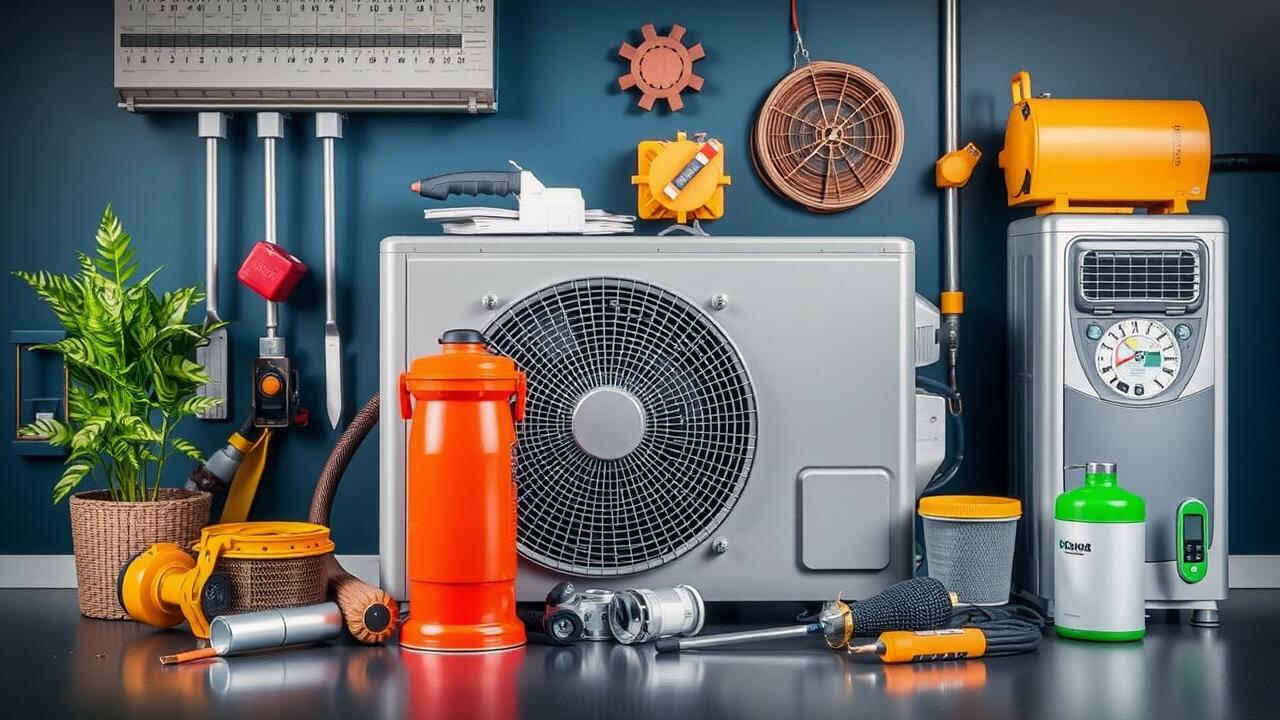
For business owners engaged in a Step-by-Step Guide to Commercial AC Repair for Business Owners, having the right tools is crucial. Essential equipment includes a manifold gauge set for monitoring refrigerant levels, a vacuum pump for evacuating air and moisture from the system, and various hand tools for mechanical repairs. A multimeter is also vital for diagnosing electrical issues, especially in the context of commercial HVAC repair where precision is key. For commercial property owners, investing in quality tools not only enhances repair efficiency but ensures compliance with industry standards.
Many business owners may find it beneficial to assemble a toolkit that caters specifically to commercial HVAC repairs. This toolkit can include items such as screwdrivers, wrenches, and pliers, tailored for larger systems typically found in commercial settings. For HVAC business owners, knowledge of essential tools not only streamlines the repair process but also minimizes the risk of costly mistakes during residential repairs or commercial maintenance programs. Future business owners should consider equipping their teams with the right tools to ensure smooth operations and successful maintenance outcomes.
Step-by-Step Guide to Diagnose AC Problems
Understanding the symptoms of AC malfunction is crucial for business owners to minimize repair costs and avoid unnecessary repairs. A well-structured Step-by-Step Guide to Commercial AC Repair for Business Owners includes recognizing common signs, such as unusual noises, reduced airflow, or fluctuating temperatures. Having maintenance contracts in place ensures regular professional maintenance, which can prevent issues caused by improper maintenance. Relying on the wrong repair service can lead to unexpected repairs and higher costs down the line. By integrating comprehensive maintenance tips into commercial HVAC maintenance efforts, business owners can significantly extend the life of their systems while reducing the risk of costly repairs.
Identifying Symptoms of AC Malfunction
Recognizing the symptoms of an AC malfunction is crucial for medium-sized business owners to avoid unexpected repair costs. Common signs include inadequate cooling, unusual noises, and fluctuating temperatures. Identifying these issues early can facilitate efficient repairs and prevent costly repairs down the line. A thorough understanding of these symptoms aligns perfectly with the Step-by-Step Guide to Commercial AC Repair for Business Owners, ensuring that DIY repairs are effective and informed.
Regular maintenance work can significantly reduce the chances of frequent repairs and complicated HVAC repair situations. Ensuring proper maintenance increases the lifespan of the unit and minimizes the likelihood of encountering major issues. Following an informative HVAC repair guide can empower business owners to manage minor problems before they escalate, thus optimizing their AC system's performance.
Utilizing Diagnostic Tools for Accurate Assessment
Effective diagnostics are essential in a Step-by-Step Guide to Commercial AC Repair for Business Owners. Utilizing advanced tools such as multimeters and refrigerant gauges helps pinpoint issues early, allowing for timely repairs and minimizing downtime. Incorporating these diagnostic measures into regular maintenance practices contributes to an ongoing maintenance plan that can lead to reduced repair costs in the long run. Following common maintenance tips can also enhance system efficiency, making it imperative for business owners to stay proactive.
Engaging professional HVAC contractors can yield significant benefits during the assessment phase. They possess the expertise to utilize diagnostic tools effectively, ensuring accurate readings of system performance. Their insights into maintenance services can help tailor an ongoing maintenance plan specific to your business needs. By prioritizing these assessments, businesses can avoid major repairs and extend the lifespan of their AC systems, aligning with the objectives outlined in the Step-by-Step Guide to Commercial AC Repair for Business Owners.
Step-by-Step Repair Process
Repairing a commercial AC system requires a thorough understanding of the intricacies involved in maintaining optimal performance for commercial businesses. The Step-by-Step Guide to Commercial AC Repair for Business Owners emphasizes the importance of addressing both complex and major repairs effectively. Industrial customers often rely on commercial HVAC companies to provide tailored maintenance programs that ensure appropriate maintenance is conducted regularly. Engaging professional HVAC companies can be vital for tackling repairs that demand specialized expertise, especially for intricate issues that go beyond simple troubleshooting. Following a structured approach to repairs, as outlined in the guide, can help prevent downtime and enhance the efficiency of HVAC systems, ultimately benefiting business operations.

Preparing the Workspace for Repairs
Creating an organized and safe workspace is crucial for effective AC repairs. This Step-by-Step Guide to Commercial AC Repair for Business Owners highlights the importance of clearing the area of any unnecessary items, ensuring a safe environment for yourself and others. A well-prepared workspace allows for efficient access to tools and equipment, which is essential for prompt repairs. For businesses serving residential customers and adjacent businesses, maintaining a clean area reflects professionalism and can enhance in-store experiences.
A personalized maintenance program should include details on how to prepare the workspace for HVAC repairs. Experienced contractors often emphasize the significance of proper lighting and ventilation while working. Utilizing a dedicated space can also minimize disruptions to daily operations within the HVAC business. By following this Step-by-Step Guide to Commercial AC Repair for Business Owners, companies can set the stage for successful HVAC business practices that ensure their systems operate at peak performance.
Addressing Common Issues: Refrigerant Leaks
Refrigerant leaks are a common issue in commercial AC systems that can lead to extensive repairing and expensive repair costs. Identifying and addressing these leaks promptly is crucial to maintain optimal system efficiency. A Step-by-Step Guide to Commercial AC Repair for Business Owners emphasizes the importance of regular checks as part of an hvac maintenance program. By scheduling maintenance tasks, business owners can prevent leaks and ensure their HVAC systems operate smoothly, reducing the need for time-consuming repairs in the future.
Professional hvac services play a vital role in diagnosing and fixing refrigerant leaks. They possess the tools and expertise necessary to detect leaks that may go unnoticed. Implementing a consistent hvac maintenance regimen can help minimize the risk of such issues. Business owners who invest in professional hvac services not only extend the lifespan of their systems but also save money by avoiding costly emergency repairs. Following a Step-by-Step Guide to Commercial AC Repair for Business Owners allows owners to maintain their HVAC business effectively while ensuring comfort in their commercial spaces.
Fixing Electrical Problems and Wiring Issues
Electrical problems and wiring issues are critical concerns for business owners managing commercial AC systems. A thorough approach, as outlined in the Step-by-Step Guide to Commercial AC Repair for Business Owners, emphasizes the importance of addressing these problems promptly to avoid escalated ongoing maintenance expenses. Retail businesses often see a direct impact on customer satisfaction when their HVAC systems fail. Regular maintenance, including a simple maintenance check, can help identify potential issues before they become severe.
Commercial HVAC technicians are essential in diagnosing and repairing electrical faults within the system. Proper commercial HVAC installation is crucial to ensure the system operates efficiently and safely. The need for commercial HVAC help arises when issues are beyond a simple fix. Staying proactive with regular HVAC maintenance can lead to significant cost savings and extend the lifespan of the unit. Following the guidelines in the Step-by-Step Guide to Commercial AC Repair for Business Owners aids in maintaining optimal performance and reliability.
Cleaning and Replacing Filters and Coils
Regularly cleaning and replacing filters and coils is a crucial aspect of maintaining an efficient commercial HVAC system. This routine task ensures compliance with refrigerant regulations while enhancing the overall performance of the system. Owners should prioritize these actions as part of a Step-by-Step Guide to Commercial AC Repair for Business Owners, enabling their business location to remain comfortable for employees and customers alike. Reliable HVAC companies often emphasize that neglecting this maintenance can lead to increased energy consumption, adversely affecting commercial HVAC utility and customer acquisition.
Proper maintenance not only improves air quality but also extends the lifespan of the system. Engaging in regular maintenance checks helps to identify potential issues early, allowing for timely interventions. For those considering a DIY approach, understanding the nuances of cleaning and replacing filters and coils can significantly improve commercial HVAC experience. Business owners may find that investing in commercial HVAC service or collaborating with residential HVAC services can streamline these efforts, ensuring optimum performance and comfort in their establishments.
When to Seek Professional Help
Recognizing the right time to seek professional help is crucial for maintaining a robust HVAC business strategy. Business owners should consider consulting trusted HVAC contractors, especially when facing issues beyond their expertise. Symptoms such as persistent inefficiency or unusual noises often indicate deeper problems that require a master HVAC license and specialized knowledge. Relying solely on a basic maintenance check might not address complex needs, making it vital to evaluate the replacement experience and cost-effectiveness of DIY repairs versus hiring a licensed professional. Engaging reputable HVAC companies can significantly enhance business HVAC revenue while ensuring compliance with industry standards. A well-timed decision to consult with experts in the HVAC/R industry can prevent future issues and extend the lifespan of your commercial AC system.
Signs That Indicate Need for Expert Assistance
Owners of unsuspecting businesses should be aware of signs that indicate the need for professional assistance with their commercial HVAC systems. Persistent performance issues, unusual noises, and drastic temperature fluctuations can all signal underlying problems that a Step-by-Step Guide to Commercial AC Repair for Business Owners might not fully address. Routine system inspections are essential in identifying these issues early, preventing costly breakdowns and ensuring the comfort of building occupants.
Relying solely on personal knowledge may not be effective for complex concerns involving commercial HVAC equipment. Licensed HVAC contractors provide the expertise needed to resolve intricate problems, ensuring compliance with the low maintenance requirements of industrial clients. Engaging professional HVAC technicians can save time and resources in the long run, as they can offer solutions based on thorough assessments that go beyond the basic Step-by-Step Guide to Commercial AC Repair for Business Owners.
Evaluating Cost-Effectiveness of DIY vs. Professional Repair
DIY repairs may seem like a cost-effective solution for minor issues within a commercial HVAC system. Business owners often consider this option to save on labor costs, especially when adjusting to new regulations impacting operational budgets. However, reliance on a Step-by-Step Guide to Commercial AC Repair for Business Owners should be approached with caution. Lack of expertise can lead to poor repairs, resulting in further damage and increased expenses over time.
Professional companies offering industrial HVAC services provide a level of reliability that DIY efforts may lack. Although the initial investment might be higher, the expertise and experience they bring ensure long-term efficiency and compliance with current standards. Engaging a thriving HVAC business can prevent future breakdowns, maximizing the lifespan of the commercial HVAC system. Evaluating the cost-effectiveness of professional repair versus DIY often reveals that the benefits outweigh the immediate savings.
| Repair Option | Initial Cost | Time Investment | Long-term Benefits | Risks |
|---|---|---|---|---|
| DIY Repair | Low | High (training + implementation) | Possibly immediate savings | Risk of improper repairs |
| Professional Repair | High | Low (quick execution) | Expertise and reliability | Higher upfront costs |
| Long-term Maintenance | Variable (plans available) | Monthly/Quarterly | Maximizes HVAC lifespan | Dependence on service provider |
Best Practices for Commercial AC System Longevity
Regular maintenance of commercial HVAC systems is essential for informed owners looking to enhance their operational efficiency. Following a comprehensive Step-by-Step Guide to Commercial AC Repair for Business Owners can significantly help in identifying and resolving issues before they escalate. Proper heating maintenance not only extends the lifespan of the system but also ensures that many businesses avoid costly repairs. By scheduling routine checks and working with a skilled HVAC contractor, owners can enjoy exceptional customer service and potentially increase hvac business revenues through direct customer referrals. Adjusting settings based on seasonal needs and addressing any minor discrepancies promptly allows for the smooth operation of commercial HVAC systems, ensuring comfort and productivity in the workplace.
Scheduling Regular Maintenance Checks
Regular maintenance checks are vital for the longevity of commercial AC systems. Scheduling these inspections with licensed HVAC professionals ensures that your system operates efficiently and meets legal installations requirements. Experienced contractors can perform a detailed evaluation of your unit, identifying any potential issues before they escalate. Pro companies often offer service contracts that include routine checks, providing peace of mind and enhancing customer interaction through reliable support.
Business premises require a tailored approach to HVAC maintenance, differing from residential HVAC systems. Investing in a Step-by-Step Guide to Commercial AC Repair for Business Owners enables owners to understand the importance of preventative care. By engaging commercial HVAC experts, businesses can maintain optimal performance and avoid costly repairs down the line. A professional HVAC technician will not only provide necessary repairs but also recommend strategies for effective system usage, maximizing both comfort and efficiency.
Tips for Efficient AC System Usage
Efficient usage of commercial AC systems can significantly enhance their longevity and performance. Employing a Step-by-Step Guide to Commercial AC Repair for Business Owners helps identify and address potential inefficiencies in real-time. Regularly monitoring the thermostat settings and ensuring they align with occupancy levels can reduce unnecessary energy consumption. This proactive approach can lead to substantial savings over time, especially in a competitive hvac systems market.
Routine cleaning and maintenance play a crucial role in optimizing AC performance. Business owners should consider scheduling annual professional inspections as part of their operations. This not only helps maintain efficiency but also extends the lifespan of the equipment. Following a Step-by-Step Guide to Commercial AC Repair for Business Owners ensures that minor issues are tackled before they escalate, creating a more comfortable environment for employees and customers alike.
| Tip | Description | Benefits |
|---|---|---|
| Monitor Thermostat Settings | Regularly check and adjust thermostat settings based on occupancy levels. | Reduces energy consumption and lowers electricity bills. |
| Schedule Routine Maintenance | Have annual professional inspections and cleanings done on the AC system. | Improves performance and extends the lifespan of the equipment. |
| Keep Units Clean | Regularly clean or replace air filters and ensure evaporator and condenser coils are free of debris. | Enhances airflow and system efficiency. |
| Seal Ducts and Insulation | Inspect and seal any leaks in the ducts and ensure proper insulation. | Prevents energy loss and ensures effective cooling throughout the space. |
| Use Smart Technologies | Implement programmable thermostats and smart HVAC controls. | Allows for efficient scheduling and remote temperature management. |
Conclusion
A comprehensive understanding of the Step-by-Step Guide to Commercial AC Repair for Business Owners is essential for medium-sized business owners aiming to minimize unexpected repair costs. Regular maintenance work not only prolongs the lifespan of HVAC systems but also mitigates the likelihood of costly repairs due to neglect. Engaging in efficient repairs can prevent frequent repairs from becoming a burden on operational budgets. By following the informative HVAC repair practices outlined in this guide, business owners can distinguish between situations that are suitable for DIY repairs versus those that require professional assistance. Establishing a routine for proper maintenance ensures that HVAC repair situations are handled proactively, ultimately leading to a more sustainable and cost-effective approach to maintaining commercial air conditioning systems.
FAQS
How often should I schedule maintenance checks for my commercial AC system?
It is generally recommended to schedule maintenance checks at least twice a year, ideally before the peak cooling and heating seasons, to ensure optimal performance and prevent unexpected failures.
What are some common symptoms of a malfunctioning commercial AC system?
Common symptoms include inconsistent cooling, strange noises, unusual odors, increased energy bills, and frequent cycling on and off. If you notice any of these signs, it’s important to diagnose the issue promptly.
Can I perform AC repairs myself, or should I hire a professional?
While some minor maintenance tasks can be performed by business owners, such as changing filters, most repairs, especially those involving refrigerant or electrical issues, should be handled by a qualified professional to ensure safety and compliance with regulations.
What personal protective equipment (PPE) do I need before starting AC repairs?
Essential PPE includes safety goggles, gloves, and masks to protect against dust, debris, and potential exposure to refrigerants and chemicals during the repair process.
How can I extend the lifespan of my commercial AC system?
To extend the lifespan of your AC system, ensure regular maintenance checks, keep the filters and coils clean, monitor refrigerant levels, and use the system efficiently by setting appropriate temperature levels and minimizing heat sources indoors.
What should a business owner consider when developing a comprehensive business HVAC strategy for their commercial HVAC systems?
A business owner needs to ensure their HVAC maintenance needs are met by hiring a commercial HVAC company that offers professional repair services. They should conduct regular HVAC maintenance checks to prevent complex repairs in the future and make adjustments to settings as needed. Investing in a commercial HVAC guide will help streamline the maintenance process and ensure that the business location remains comfortable. Many contractors available provide professional HVAC repair, but it's important to choose someone with a contractor license and a solid reputation within HVAC businesses.
How can homeowners benefit from understanding commercial HVAC services for creating a comfortable business location?
Homeowners can significantly benefit from understanding commercial HVAC services as it helps them to design a business HVAC strategy that ensures future maintenance is planned effectively. By being aware of centralized maintenance options and involving an HVAC repair service, they can handle minor repair needs and adjust settings to keep the business location comfortable. Additionally, for those looking to own an HVAC business, knowledge of commercial HVAC systems is crucial for providing top-notch service.
What steps can an entrepreneur take to effectively manage and own an HVAC business?
To effectively manage and own an HVAC business, an entrepreneur should focus on acquiring relevant certifications, understanding local regulations, investing in quality equipment, building a strong marketing strategy, and providing excellent customer service to ensure long-term success.
What are the key factors an entrepreneur should evaluate before deciding to own an HVAC business?
An entrepreneur looking to own an HVAC business should consider several key factors. These include understanding the local market demand for HVAC services, assessing the competition, determining the necessary licensing and certifications, evaluating startup costs, and developing a business plan that outlines service offerings and marketing strategies to attract customers in the HVAC industry.
What challenges might a business owner face when deciding to own an HVAC business?
When considering to own an HVAC business, a business owner should evaluate various challenges such as understanding the competitive market, managing operational costs, and ensuring compliance with industry regulations to successfully own an HVAC business.
What insights can a business owner gain from understanding the dynamics of owning an HVAC business?
By understanding the dynamics of owning an HVAC business, a business owner can gain valuable insights into operational efficiencies, customer service strategies, and maintenance practices, which ultimately contribute to the success of their own hvac business.